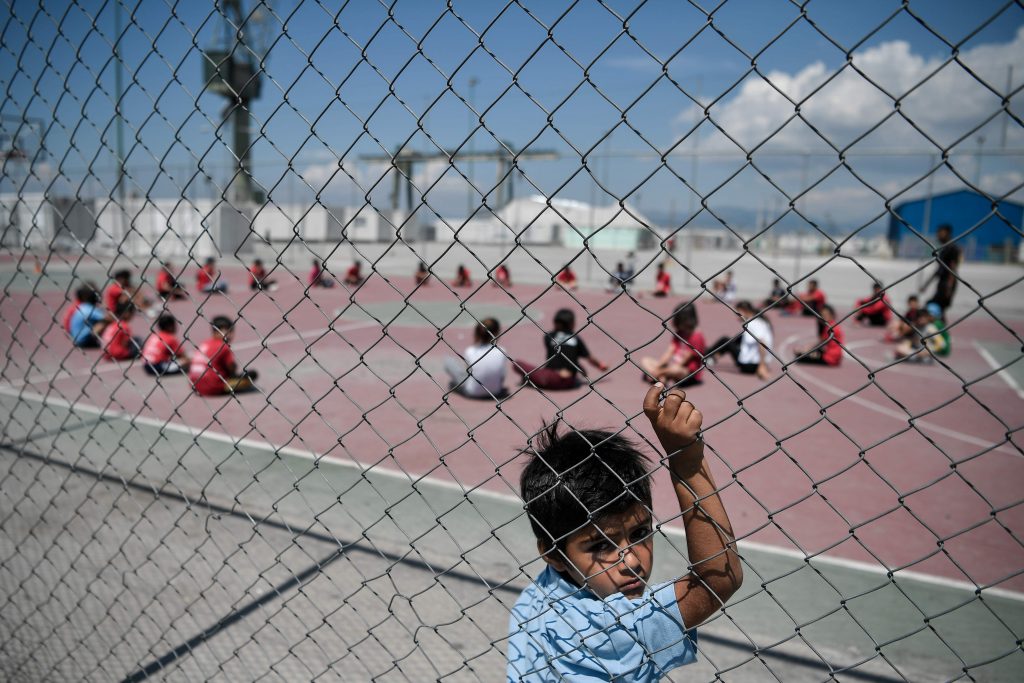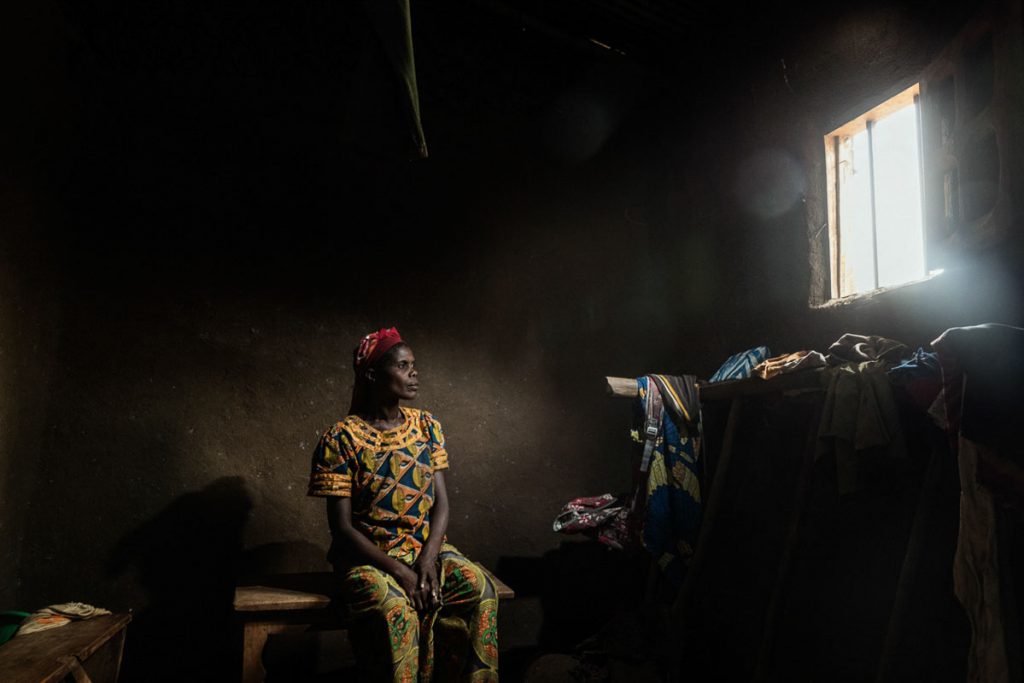
Despina: storie dall’esodo
L’Uganda, uno dei Paesi più poveri al mondo, ogni anno accoglie migliaia di migranti da tutta l’Africa, dandogli una casa, un pezzo di terra e, soprattutto, una speranza per il futuro. Clicca QUI per il reportage completo
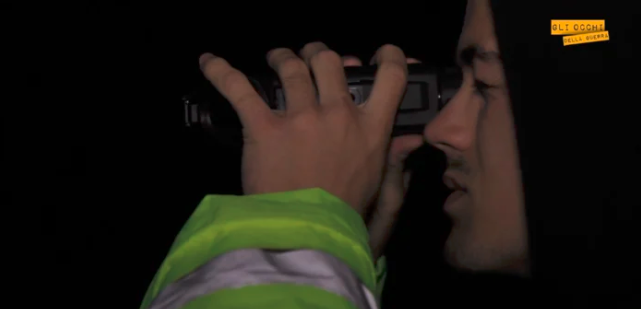
Hundreds of civilians in military outfits conceal themselves camouflaged within the forests of Bulgaria to prevent illegal immigrants crossing over from Turkey; they are the borderline guardians. In 2013 it was the building of barbed wire and cement barriers; then came the frontier officers and Frontex agents. Now in addition to these there are the volunteers of the Bulgarian Veterans Military Union Vasil Levski and of the Shipka Bulgarian National Movement. They move stealthily, they are well trained, they communicate using walkie talkies and bird whistles in the thick mountain vegetation of Strandja, an area of land suspended between East and West, facing the Black Sea. Their commander is Vladimir Ruscev, a retired former officer of the Bulgarian army. His movement counts 800 volunteers and thousands of supporters. For four years they have been financing themselves and in groups of 30-40 take it in turns to patrol a portion of the 230 km border with Turkey.
The sounds of a wailing wife and children witnessing their man being shot dead on the other end of the line, the repeat gunshots by a remorseless paramilitary unit and the groans cries of an innocent man begging for his life and telling his killers they’ve got the wrong guy. It’s a set of sounds that once played, just can’t be unheard. Two, the tape has, for the first time, made the Bangla government set up a formal commission of inquiry into unlawful killing by law enforcement.
Da anni nel quartiere Norrebro, a Copenaghen, bar e ristoranti sono tenuti sotto scacco da gang di immigrati. Estorsioni, minacce, intimidazioni e violenze fanno ormai parte della normalità. Nessuno ha il coraggio di denunciare.
In Europa esiste un piccolo deserto che pochissimi conoscono. Le sue dune color ocra non sono di sabbia ma montagne di rifiuti. Sette ettari di spazzatura nel cuore dei Balcani, in una delle città più inquinate del continente.
Ogni anno nel camposanto di Srebrenica, l’11 luglio si svolge la cerimonia di commemorazione in cui vengono restituiti alle famiglie i cadaveri identificati nei 12 mesi precedenti. Una ricorrenza densa di grida, pianti, confusione. Migliaia di persone vi partecipano.
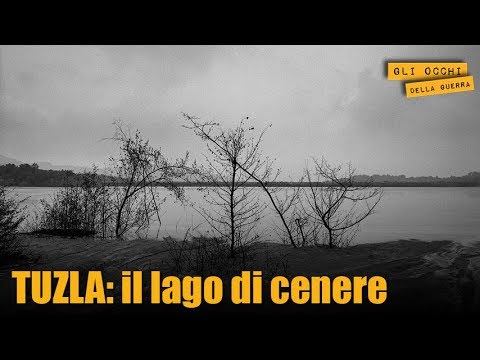
L'impianto termoelettrico di Tuzla, in Bosnia, fu crato quasi 60 anni fa, ma da allora nulla è stato fatto per combattere l’inquinamento che ne fuoriesce. Le autorità protestano che si tratta di un’infrastruttura strategica: la Bosnia ha ancora un’elevata dipendenza dal carbone, ma per l'ambiente circostante il prezzo da pagare è troppo elevato.
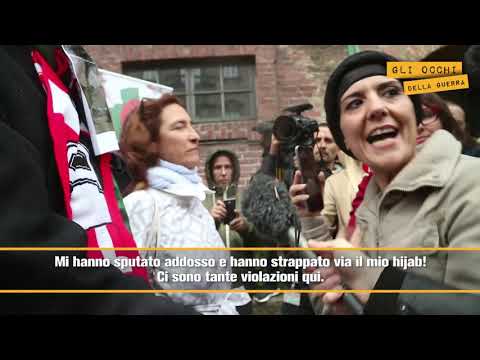
La Danimarca ha approvato legge contro il burqa ma ora un attivista algerino vuole sfidarla e invita le donne a usare il velo integrale: "Pagherò le multe"
All'Università di Würzburg, Germania, la Heine sostiene che la pedofilia è un orientamento sessuale naturale: "La società l'accetti".
In 2014 80 people died in the Ukraine. The accused were members of the anti-Yankovich front. Gian Micalessin.
Perché abbonarsi
Questo giornale rimarrò libero e accessibile a tutti. Abbonandoti lo sostieni.
Già abbonato? Accedi