Pakistan’s Polio Problem
Pakistan has a polio epidemic. The number of polio virus cases in the country grew to an alarming 119 in 2019 from just eight in 2018, laying bare the utter failure of the Pakistani government to carry out a successful...
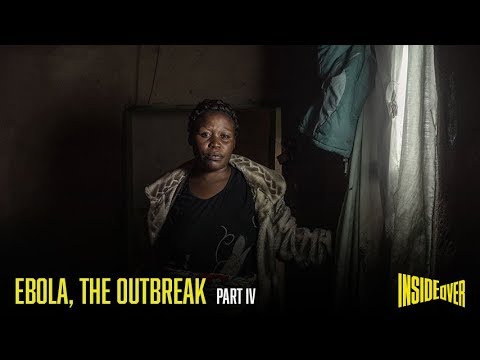
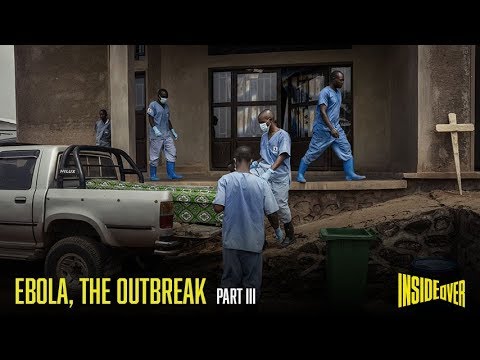
In the city of Beni you also find stories of those who survived ebola. Men, women and children who have managed to get saved from the deadliest disease in the world. Their testimonies are permeated by pain and a desire for redemption, as Kabibale Vianey tells us: he is now immune to the virus and has decided to work as a nurse to help the other patients, or Claude, who graduated while in the Treatment Centre. Often, however, the pain does not abandon even those who have survived: Roseline Lukambo tells us that because of the disease she has lost her entire family and now she lives stigmatized and threatened because she is accused of being the ploughman and the cause of death of her loved ones.
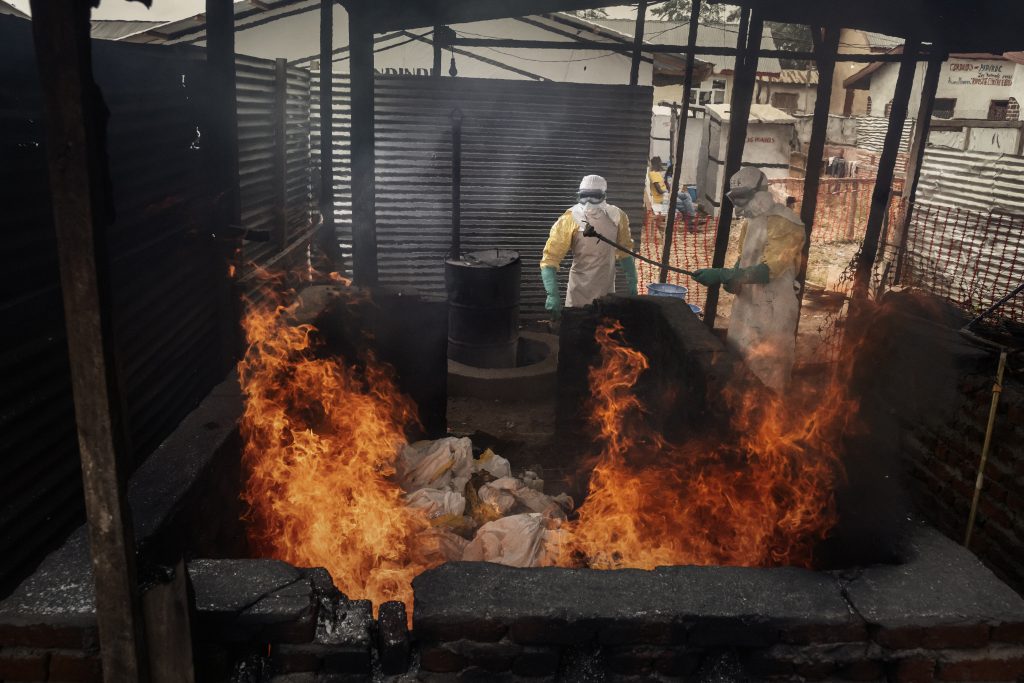
The Ebola epidemic in Congo has caused the death of more than 2000 people in just one year, and 30% of the victims are children. In the city of Beni, funerals never stop, with 15-20 burials a day. Funeral ceremonies are the moments in which people are most at risk of contagion and for this reason very strict safety measures must be taken. Funerals are also where the pain and sense of abandonment that overwhelm the Congolese population become most palpable, as during the funeral of Liliane, a little 3-years-old girl who died because of the infection.
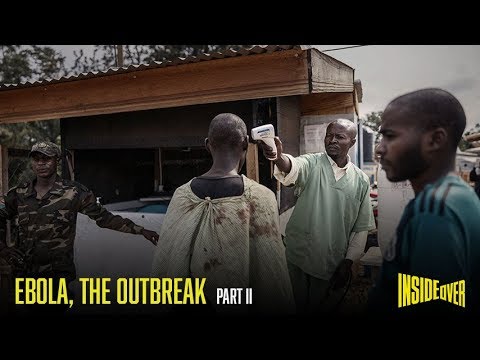
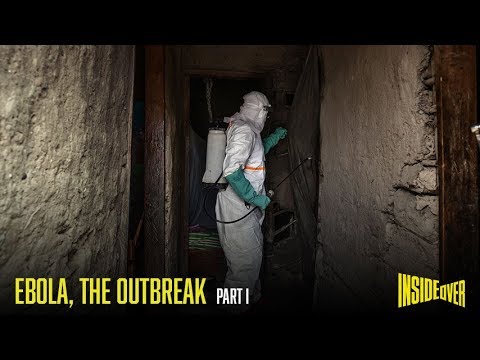
The Ebola virus is the deadliest known. The mortality rate, around 67%, is among the highest ever recorded and although new therapeutic treatments and an experimental vaccine have been introduced, the infection does not stop and the World Health Organization has proclaimed international state of emergency. Ebola disease, originated among the wild animals, spreads by direct contact with any body fluid of an infected person. The incubation lasts from 2 to 21 days and then, once manifested, initially brings fever, migraine, nausea, vomiting and diarrhea, while progressing it causes internal bleeding, collapse of organs and apparatus and, finally, death. In the Treatment Center where the sick are hospitalized there is a race against time to save lives, but infections and deaths are continuous.
The city of Beni, in the Democratic Republic of Congo, is the epicenter of an Ebola epidemic that, from August 2018 until today, has caused more than 2,000 deaths and over 3,000 infections. The days, in the heart of the infection, are marked by reports of new cases of infections and continuous deaths: each day from 15 up to 20 funeral are celebrated. Threatening the lives of the communities that populate the eastern regions of the African country, however, there is also a permanent state of war. The violence perpetrated by irregular groups and rebel militias does not stop, even now, as in the small village of Erengeti, where a group of insurgents opened fire on civilians causing a massacre.
Since August 2018, in the north-east of the Democratic Republic of Congo, an Ebola epidemic is underway, the second most lethal epidemic in history and the first in a context of war. The numbers are impressive with over 2000 victims...
Perché abbonarsi
Questo giornale rimarrò libero e accessibile a tutti. Abbonandoti lo sostieni.
Già abbonato? Accedi