Capire la finanza, per capire il mondo FOLLOW THE MONEY

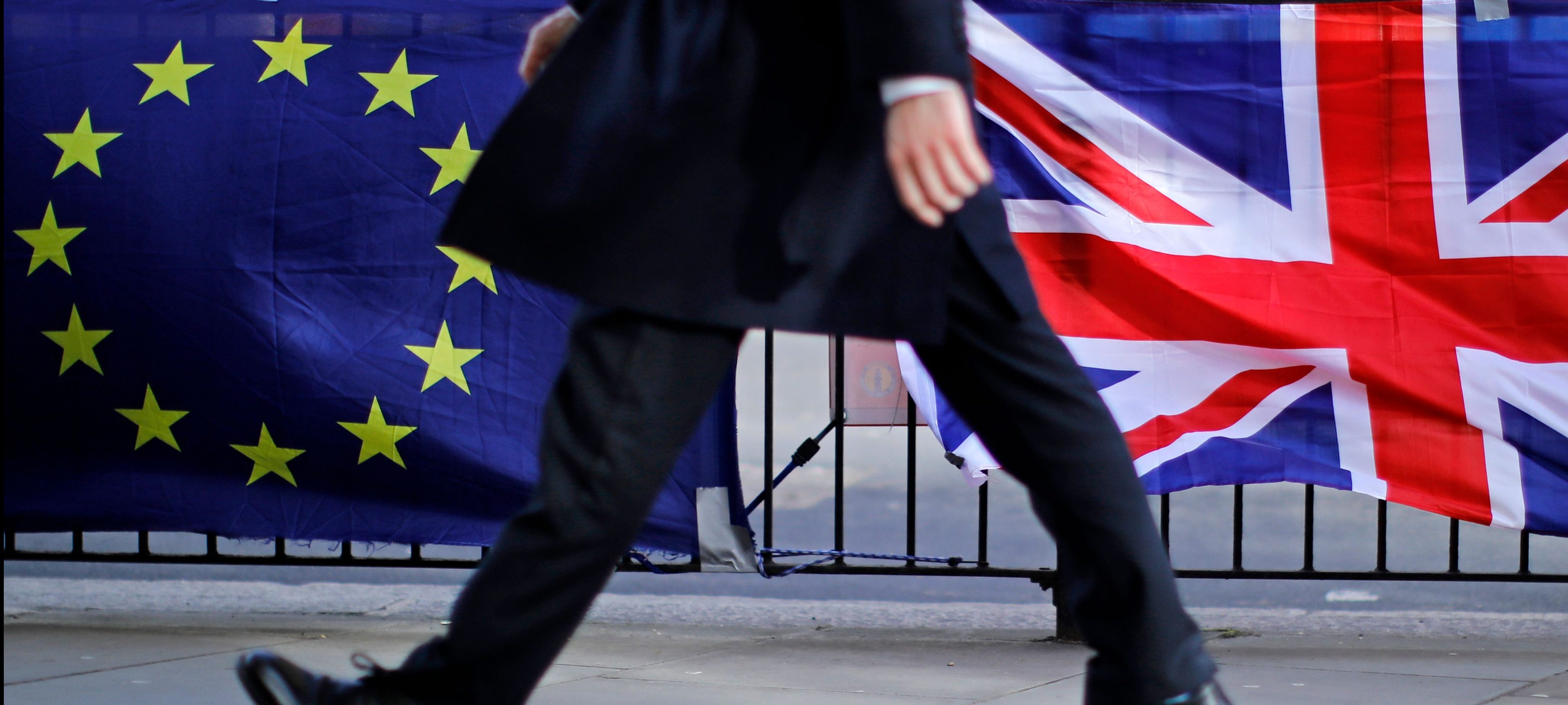
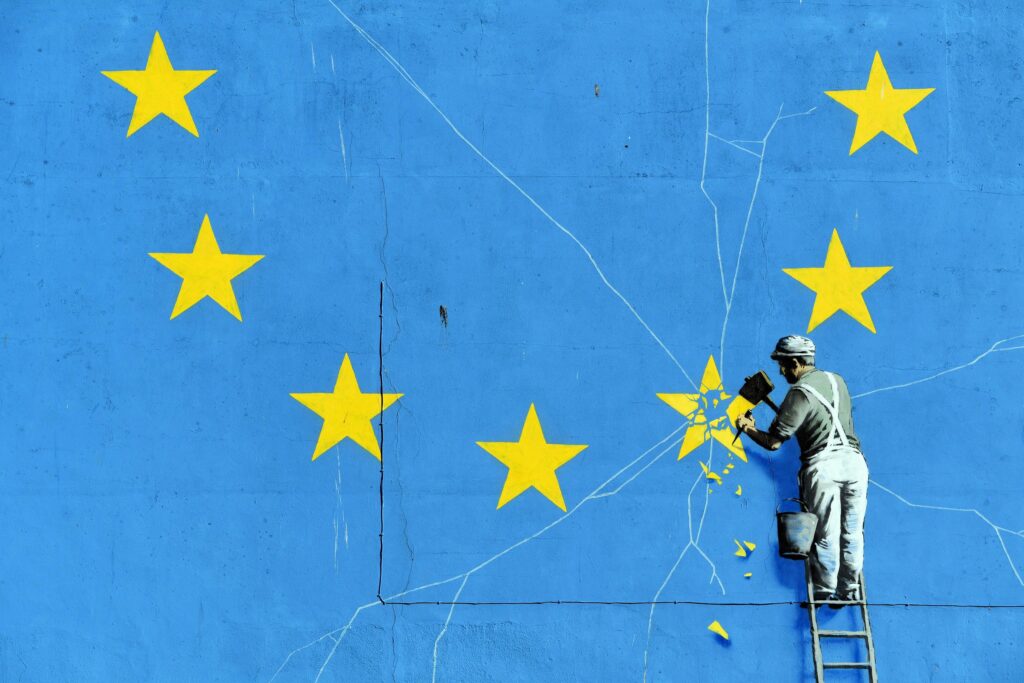
The Brexit process has been dragging for a while now. After many months – even years – of assemblies, meetings and negotiations, the withdrawal process of the United Kingdom from the European Union has not covered nor resolved all of its main disputes. Despite rumours and claims, there are yet many topics to be discussed and, most importantly, agree on. Therefore, the issue today still seems far from over, even if time is running out.

In this messy and very open situation, it might be easy to lose track of events and developments; so, how did we get exactly to where we are today?


Once upon a time

Since the very early beginnings, when in 1973 the United Kingdom joined the three European Communities, the relations between these two parties have always been uncertain and resentful at least. Even though the UK agreed to the creation of the European Single Market, which would allow the free movement of goods, capital, services and labour within Member States, it was immediately clear they were not particularly satisfied with any meddling acts from outsiders in their internal politics. Margaret Thatcher was the face of this British fierce opposition to what were perceived as excessive duties.

After her resignation, these tensions loosened: John Major signed the ’92 Maastricht Agreement creating the European Union, and with the labour governments under Tony Blair and Gordon Brown, a new period of more relaxed relations seemed approaching. However, internal anti-European pressures were lurking underneath, and ultimately culminated with the following conservative government.

In order to make Brussels counterparts more flexible, adaptable and yielding, the then PM David Cameron announced a popular referendum on the British permanence within the European Union. This choice was a pure demonstrative act and not a true attainable political objective, nor even a threat, as he remarked. Nevertheless, the referendum had a huge impact and polarised British society into two separate and opposite groups: on one side, the Remain alliance for the permanence in the EU, made of by the Labour, the Lib Dems, the Green Party of England and Wales, the Scottish National Party and half of the Tories (among which Cameron himself); on the other side, the Leave front, with the other half of the Conservative party led by Boris Johnson and the UK Independence Party of Nigel Farage.

Said referendum took place on June 23rd 2016 and saw the slight yet unexpected win of the Leave over the Remain. Again, the referendum was purely consultive and not legally binding; nonetheless, the then government decided to follow up the popular opinion and tried to turn it into effective political agenda.

The Supreme Court of the United Kingdom stated afterwards that, in order to proceed and apply Article 50 (the one concerning exit procedures for Member States willing to withdraw from the EU), the British Parliament alone must be consulted, without intromissions by any of the four national assemblies. The Parliament was consulted indeed and the formal notification of the Article 50 exit procedure was successful, starting the official Brexit process in 2017, on March 29th.

The start of Brexit negotiations

The beginning of these negotiations saw new conservative PM Theresa May informing the President of the European Council Donald Tusk about the British government’s intention to abandon both the customs union and the European Single Market, to withdraw from the European Communities joined in 1973 and to adapt EU laws into UK laws (and not the other way around). The date for said withdrawal was set on March 29th 2019, two years after the presentation of the notification as required by Article 50.

Right after receiving the notification letter, the European Parliament agreed to negotiate the withdrawal procedures, and on June 19th 2017, British Secretary of State for Exiting the European Union Davis Davis joined in Brussels Chief Negotiator Michel Barnier and started discussing together a withdrawal agreement, involving a transitional period and the future of the relations between UK and EU. From the very beginning, there was utmost concern about the many different outcomes and prospects of this controversial situation.

But what seemed to be a rapidly-evolving an unstoppable process turned out to be much slower than expected due to many factors, including anticipated British elections. Finally, in November 2018, the binding withdrawal agreement and the non-binding Declaration on Future Relations were stipulated and presented to the British Parliament in the following months; however, the British Parliament was internally divided and eventually rejected to ratify them on three different occasions during the first months of 2019. While the Labour wanted to remain a part of the customs union, the Tories refused its financial obligations towards the EU. Three years later, the same ideological polarisation within Britain was still untouched.

Brexit today: new leaders, old issues and potential outcomes

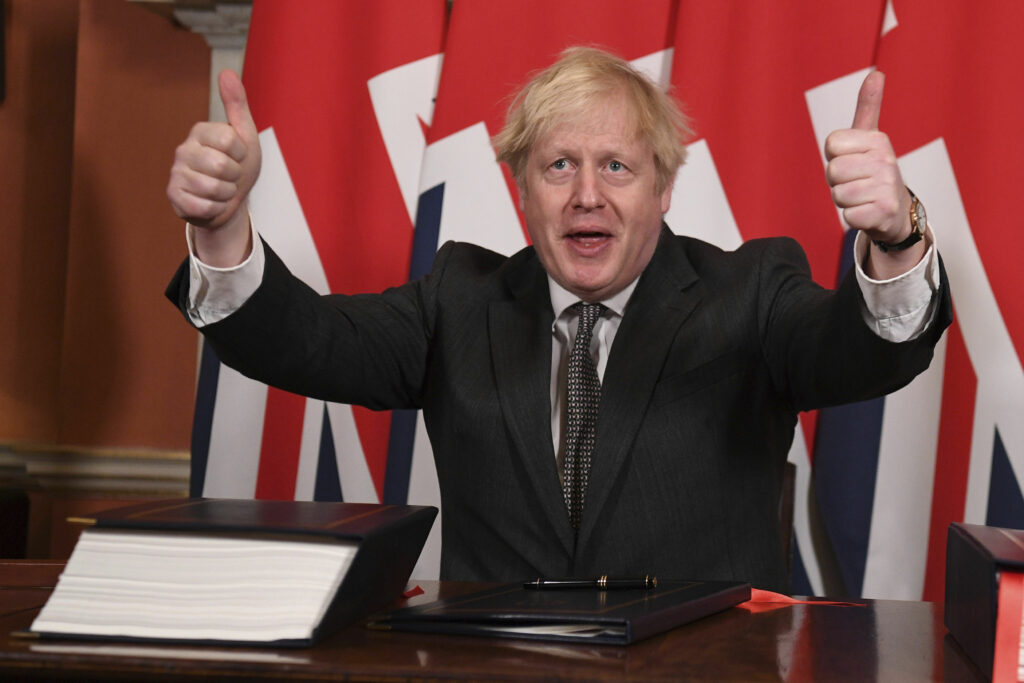
A new deadline was then set – and still is today – for October 31st 2019. Having failed to deliver Brexit as promised, May resigned as leader of the Tories and has been succeeded by Boris Johnson during the summer of 2019. Loyal to his stoical position throughout the whole Brexit process, Johnson is now determined to finally leave the EU on the newest deadline, with or without an agreement.

This no-deal outcome also involves the rejection by the EU to abrogate the Northern Ireland Protocol (or “Irish Backstop”) as requested by Johnson in order to re-open negotiations. The EU wants to maintain a soft border between Republic of Ireland (EU) and Northern Ireland (potential non-EU), two countries historically marked by bloody fights now striving for peace; according to Johnson instead, this soft border potentially undermines the effectiveness of Brexit itself.

According to many experts, Brexit – and especially its the no-deal outcome – would significantly jeopardise the internal British economy as well as the London status quo on a global scale, entering into an unprecedented recession; this theory is widespread among the Remain (whose campaign has always supported an economical and technical basis, rather than an emotional one), who are willing to drag the debate further in the hope of a profitable future agreement.

Whether or not Johnson is aware of this (and he is), his resolute standpoint on the issue is a critical turning point in what seemed to be indeed a decelerating process directing towards further negotiations between parties; but if, on the one hand, the European Union seemed to gain the upper hand due to the internal division of the British Parliament, on the other one, Johnson’s latest harsh initiatives to suspend the Parliament and to expel the dissident Tories might be just another demonstrative act of force in order to get more leverage with EU counterparts – just like the 2016 referendum.

The geopolitical and economic scenarios of both the United Kingdom and the European Union will be determined by the turn of events that Brexit will take in the next months; as today, the issue is still open for many possible outcomes.

Abbonati e diventa uno di noi

Se l’articolo che hai appena letto ti è piaciuto, domandati: se non l’avessi letto qui, avrei potuto leggerlo altrove? Se pensi che valga la pena di incoraggiarci e sostenerci, fallo ora.
Non sei abbonato o il tuo abbonamento non permette di utilizzare i commenti. Vai alla pagina degli abbonamenti per scegliere quello più adatto

Il processo della Brexit si protrae ormai da tempo. Dopo diversi mesi – diventati anni – di assemblee, incontri e negoziati, la procedura di uscita del Regno Unito dall’Unione europea non ha ancora coperto né risolto tutti i propri temi di dibattito. A prescindere dalla moltitudine di voci e rivendicazioni al riguardo, vi sono ancora questioni da discutere e, soprattutto, sistemare. Pertanto, anche se il tempo inizia a stringere, la vicenda è tutt’altro che chiusa. In questa situazione caotica e ancora aperta, potrebbe essere facile perdere la trebisonda sull’andamento che hanno seguito gli eventi; dunque, come siamo arrivati esattamente al punto in cui ci troviamo oggi?

 C’era una volta

Sin dai primi momenti, quando nel 1973 il Regno Unito entrò a far parte della Comunità europea, le relazioni tra queste due controparti sono sempre state instabili e complicate, per usare un eufemismo. Sebbene il Regno Unito approvasse la creazione di un Mercato unico europeo, che avrebbe permesso la libera circolazione di beni fisici, capitali, servizi e forza lavoro tra gli Stati Membri, fu subito chiaro che non fossero altrettanto d’accordo con le intromissioni esterne nella loro politica interna. Margaret Thatcher fu il simbolo di questa strenua opposizione britannica nei confronti di quelle che venivano percepite come eccessive tassazioni.


In seguito alle sue dimissioni, queste tensioni si allentarono: nel ’92 John Major firmò l’accordo di Maastricht dando vita all’Unione europea, e con i governi laburisti di Tony Blair e Gordon Brown sembrò avvicinarsi un nuovo periodo di relazioni più serene e distese. Tuttavia si nascondevano forti pressioni euroscettiche che esplosero con il governo conservatore successivo.

Per rendere le controparti di Bruxelles più duttili e malleabili, l’allora primo ministro David Cameron annunciò un referendum popolare, chiedendo l’opinione dei cittadini britannici sulla permanenza del Regno Unito nell’Unione europea. Questa scelta fu un semplice atto puramente dimostrativo, e non un obiettivo politico davvero perseguibile, né tanto meno una minaccia. Ciononostante, il referendum ebbe un impatto straordinario e polarizzò la società britannica in due gruppi, separati ed opposti: da un lato, l’alleanza del Remain per la permanenza all’interno dell’Ue, composta dai Laburisti, i Liberal Democratici, il Partito Verde d’Inghilterra e Galles, il Partito Nazionale Scozzese e metà dei Conservatori (tra i quali lo stesso Cameron); dall’altro lato, il fronte del Leave deciso ad abbandonare l’Ue, composto dall’altra metà del Partito Conservatore capeggiato da Boris Johnson ed il Partito per l’Indipendenza del Regno Unito di Nigel Farage.

Questo referendum ebbe luogo il 23 giugno 2016 e vide la leggera ed inaspettata vittoria dei Leave ai danni dei Remain. Nonostante il referendum fosse unicamente consultivo e non legalmente vincolante, il governo di allora decise di cavalcare l’opinione popolare e di instaurare su queste basi un vero e proprio programma politico.

La Corte Suprema del Regno Unito affermò in seguito che, al fine di procedere ed applicare l’articolo 50 (quello che riguarda le procedure di uscita degli Stati Membri dall’Unione Europea), era necessario consultare unicamente il Parlamento britannico, senza intromissione dalle rispettive quattro assemblee nazionali di Inghilterra, Scozia, Galles e Irlanda del Nord. Il Parlamento fu consultato correttamente e la notifica formale dell’Articolo 50 ebbe successo, dando inizio al processo ufficiale di Brexit il 29 marzo 2017. 

L’inizio delle trattative

 L’inizio di questi negoziati vide il nuovo primo ministro conservatore Theresa May informare il presidente del Consiglio europeo Donald Tusk circa l’intenzione del governo britannico di abbandonare sia l’unione doganale che il Mercato unico europeo, di ritirarsi dalle Comunità europee di cui era parte dal 1973 e di adattare le leggi europee a quelle britanniche (e non viceversa). La data per questa uscita fu fissata per il 29 marzo 2019, due anni dopo la presentazione della notifica, come impone l’Articolo 50.

Dopo aver ricevuto la lettera di notifica, il Parlamento europeo accettò di iniziare i negoziati, e il 19 giugno 2017, il Segretario di Stato britannico per l’Uscita dall’Unione europea David David raggiunse a Bruxelles il Capo Negoziatore Michel Barnier per cominciare a discutere insieme un accordo di ritiro che comprendesse un periodo di transizione ed il futuro delle relazioni tra Regno Unito ed Unione europea. Sin da subito ci fu la massima preoccupazione per i vari scenari possibili in questa situazione così controversa.

Ma quello che sembrava essere un processo in rapida evoluzione ed apparentemente inarrestabile si rivelò più lento del previsto a causa di più motivi, tra cui le elezioni britanniche anticipate. Finalmente, nel novembre 2018 furono stipulati l’accordo sull’uscita (vincolante) e la dichiarazione sulle relazioni future (non vincolante), documenti che vennero successivamente presentati al Parlamento britannico; tuttavia, all’interno di quest’ultimo vi erano delle profonde fratture ideologiche, che comportarono la mancata ratifica dei documenti presentati in ben tre occasioni diverse, nei primi mesi del 2019. Se da un lato i Laburisti volevano rimanere all’interno dell’unione doganale, dall’altro i Conservatori si rifiutavano di pagarne le spese a beneficio dell’Ue. Tre anni dopo, la divisione ideologica all’interno della Gran Bretagna era rimasta praticamente la stessa.

La Brexit oggi

Fu dunque stabilita una nuova scadenza – tutt’ora vigente – per il 31 ottobre 2019. Avendo fallito nel tentativo di portare a termine il processo di uscita entro i termini accordati, Theresa May si dimise dall’incarico di leader dei Conservatori e fu sostituita proprio da Boris Johnson nell’estate 2019. Fedele alla sua stoica posizione sul tema Brexit, ora Johnson intende irrevocabilmente abbandonare l’Unione europea entro la nuova scadenza, con o senza un accordo con la controparte.

Questa possibilità del no-deal è fomentata dal rifiuto da parte dell’Unione europea di abrogare il Protocollo dell’Irlanda del Nord (o Irish Backstop) come richiesto da Johnson al fine di riaprire i negoziati. L’Ue vuole mantenere un confine soft tra la Repubblica d’Irlanda (parte dell’Ue) e l’Irlanda del Nord (potenzialmente non più parte dell’Ue), in quanto si tratta di due Paesi storicamente in guerra che intravedono ora un futuro di convivenza pacifica; tuttavia, secondo Johnson, non distinguere nettamente i confini tra Regno Unito ed Unione europea rappresenta ovviamente un pericolo per la natura e l’efficienza della Brexit stessa. 

Secondo diversi esperti, la Brexit – e lo scenario del no-deal in particolare – comprometterebbe significativamente l’economia interna britannica, nonché la posizione di Londra nel panorama internazionale, e getterebbe il Regno Unito in una fase di recessione economica, finanziaria e generale senza precedenti. Questa teoria trova ampio seguito tra i sostenitori del Remain (la cui campagna politica è sempre stata di natura scientifico-economica, anziché emotiva ed irrazionale), i quali sono disposti a protrarre il dibattito nella speranza di un accordo futuro che porti benefici ad entrambe le parti.

Che Johnson ne sia consapevole o meno (e lo è), la sua risoluta visione dei fatti sulla questione è un punto di svolta tanto improvviso quanto critico, in quello che sembrava essere un processo in fase di decelerazione ed in direzione di nuovi negoziati; ma se da un lato sembrava che l’Unione Europea avesse preso il coltello dalla parte del manico, a causa della divisione interna del Parlamento britannico, dall’altro le recenti iniziative di Johnson per sospendere il Parlamento ed espellere i membri Conservatori in disaccordo potrebbero rivelarsi un altro atto di forza dimostrativo per tornare a trattare alla pari con Bruxelles – come già accadde nel 2016.

Gli scenari geopolitici ed economici del Regno Unito e dell’Unione europea verranno determinati dalla piega di eventi che prenderà il processo Brexit nei prossimi mesi; ad oggi, la questione è ancora aperta a tutte le possibilità.

Abbonati e diventa uno di noi

Se l’articolo che hai appena letto ti è piaciuto, domandati: se non l’avessi letto qui, avrei potuto leggerlo altrove? Se pensi che valga la pena di incoraggiarci e sostenerci, fallo ora.
Non sei abbonato o il tuo abbonamento non permette di utilizzare i commenti. Vai alla pagina degli abbonamenti per scegliere quello più adatto