Migration
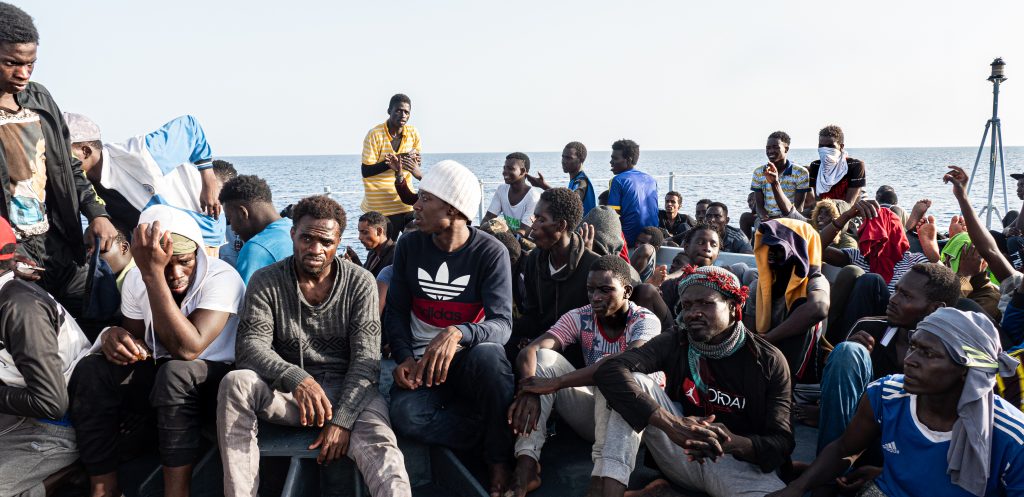
Migrants fleeing Libya
Sub-Saharan migrants do not want to be taken by the Libyan Coast Guard, because for many of them it is hell.
Sub-Saharan migrants do not want to be taken by the Libyan Coast Guard, because for many of them it is hell.
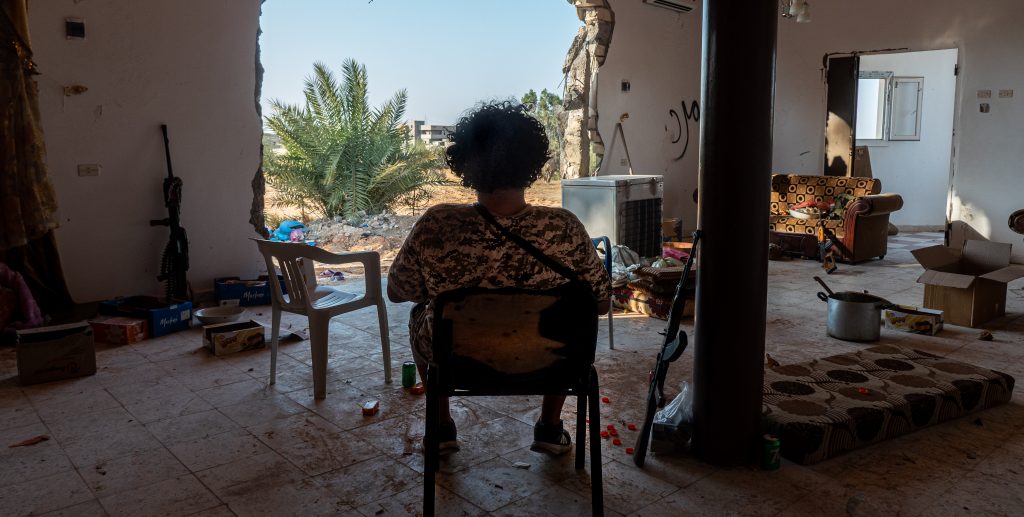
It's a day like any other in Tripoli. The city wakes up in the early morning hours, before the humid heat of July becomes unbearable.Over a thousand people have been killed and hundreds of thousands displaced since the civil war in Tripoli began over six months ago. The fighting in and around the capital of Libya, Tripoli between forces and militias loyal to Prime Minister Fayez al-Sarraj, and General Khalifa Haftar's self-proclaimed Libyan National Army has continued to harm civilians as they get caught in the crossfire. Many airstrikes and attacks are launched from both sides worsening the humanitarian crisis currently taking place in the fight for Tripoli.As the deadly attacks by the LNA seize control of the city, the people of Libya continue their fight for democracy and survival as they attempt to go about their daily lives under siege.
È un giorno come gli altri a Tripoli. La città si sveglia alle prime ore del mattino, prima che il calore umido di luglio diventi insopportabile
I migranti subsahariani non vogliono essere presi dalla Guardia costiera libica, perché per molti di loro si tratta di un inferno
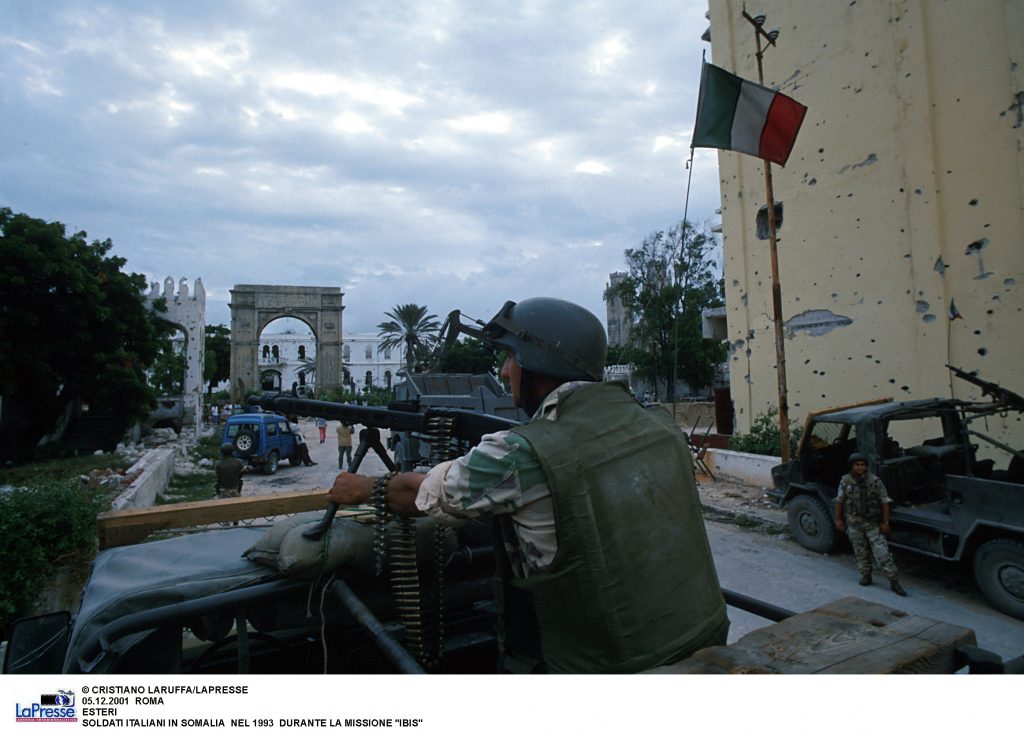
Le truppe italiane impegnate in Somalia durante l'operazione Ibis. Abbandonarono il Paese nel 1994, dopo l'omicidio di Ilaria Alpi
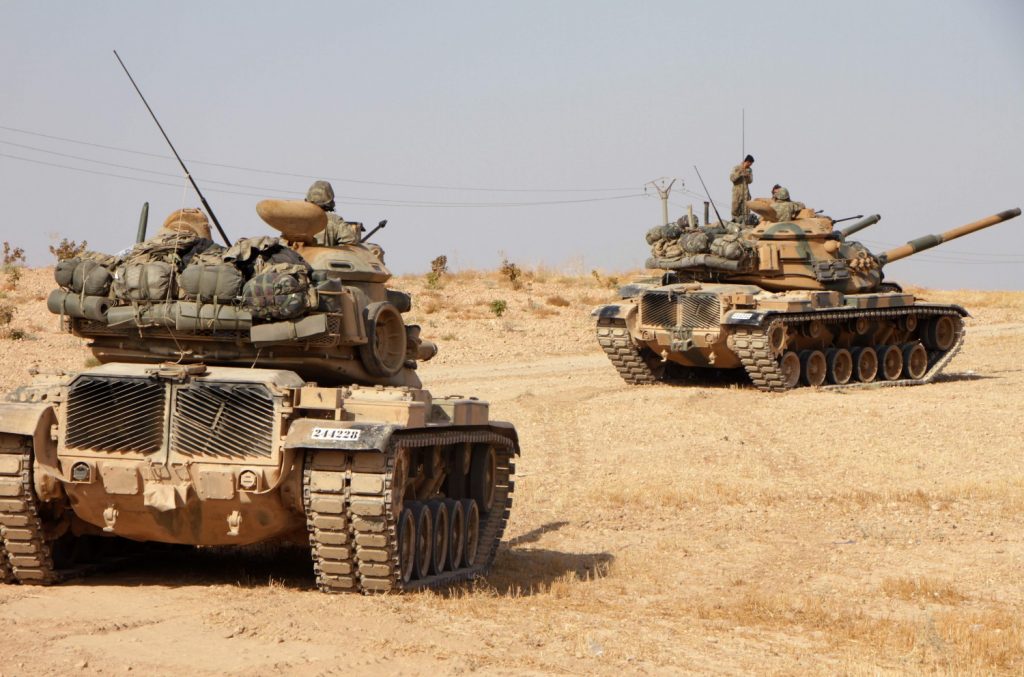
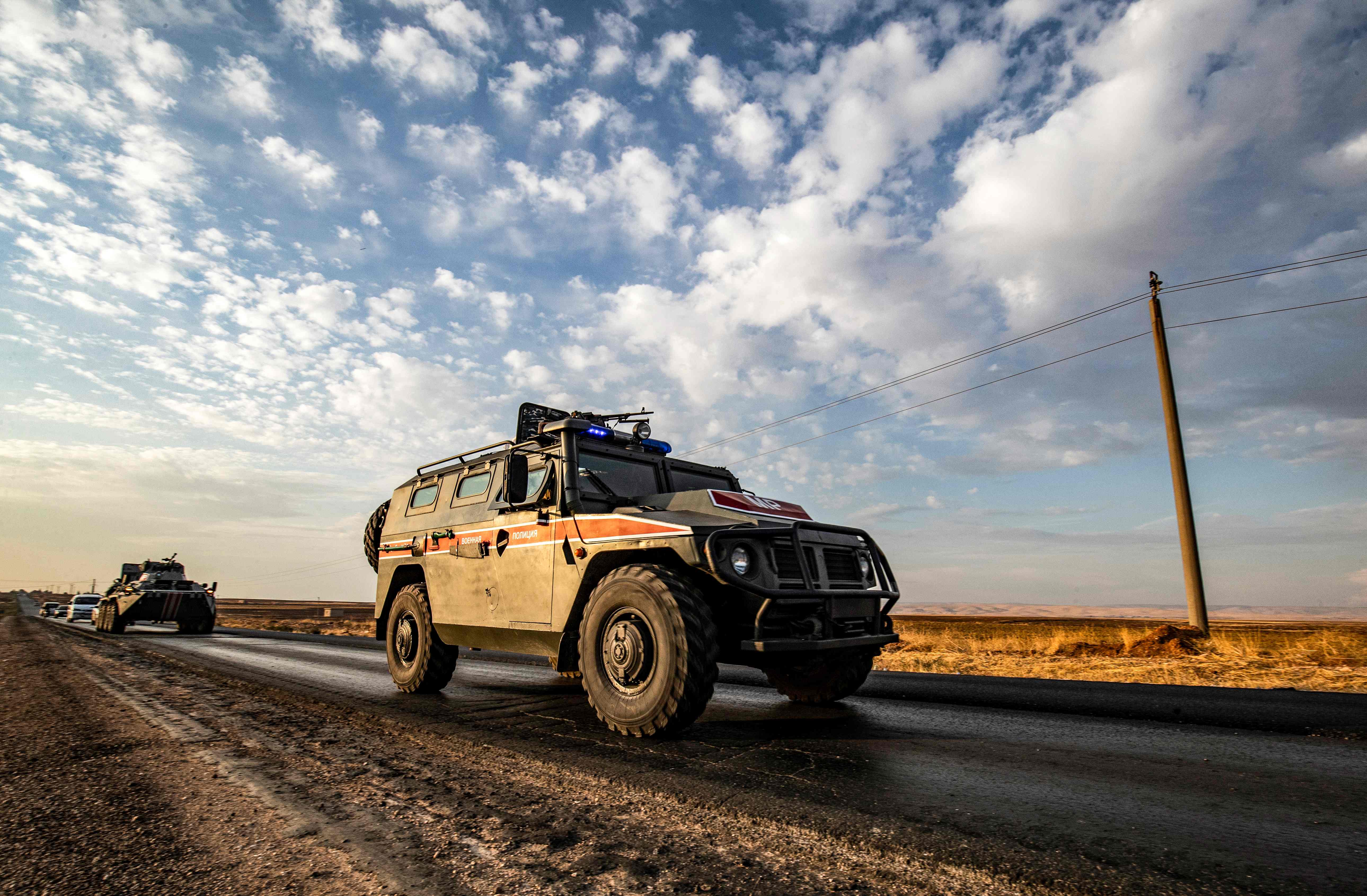
Le forze armate turche, insieme alle milizie legate asd Ankara, avanzano nel nord della Siria contro i curdi. E ora Assad va verso nord
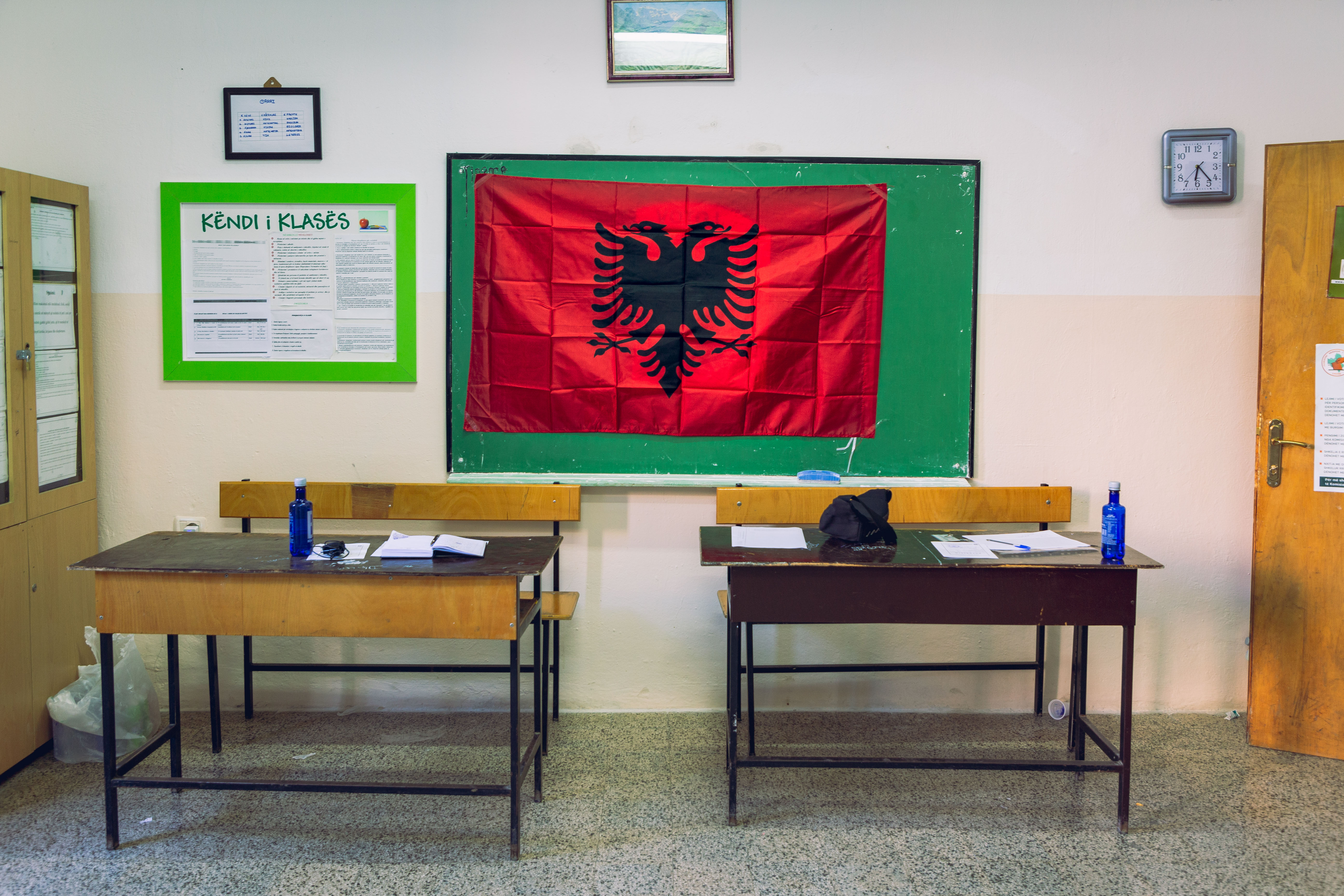
La crisi politica in Albania sembra non essere così semplice da risolvere. E per il Paese delle aquile ora è il momento delle risposte
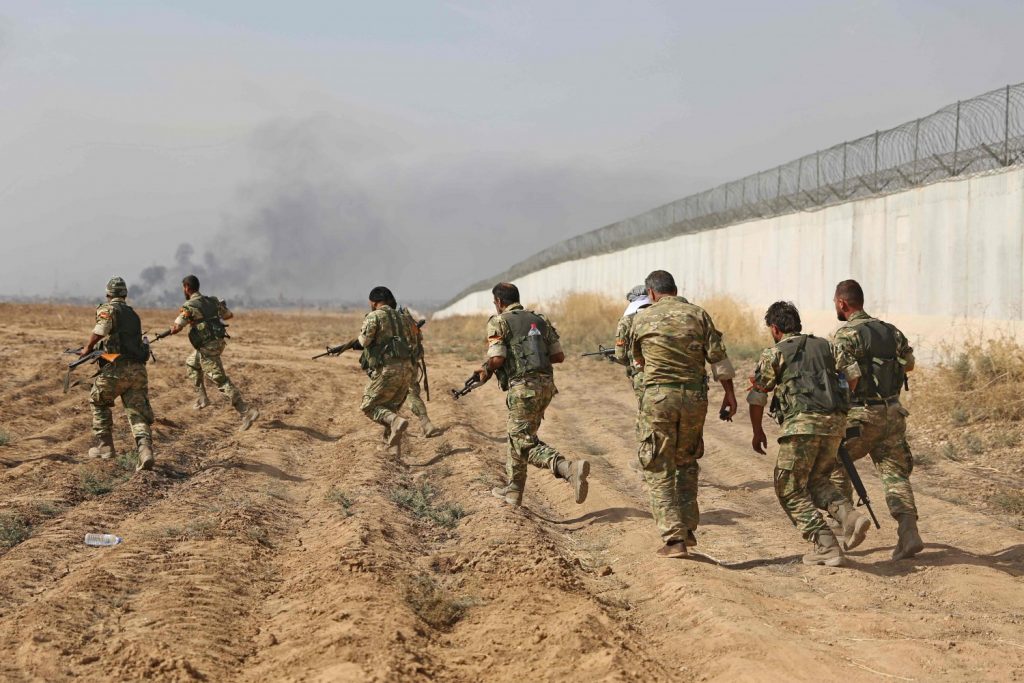
Recep Tayyip Erdogan ha scatrenato l'offensiva "Sorgente di pace" nel nord della Siria. L'obiettivo della Turchia è colpire le forze curde
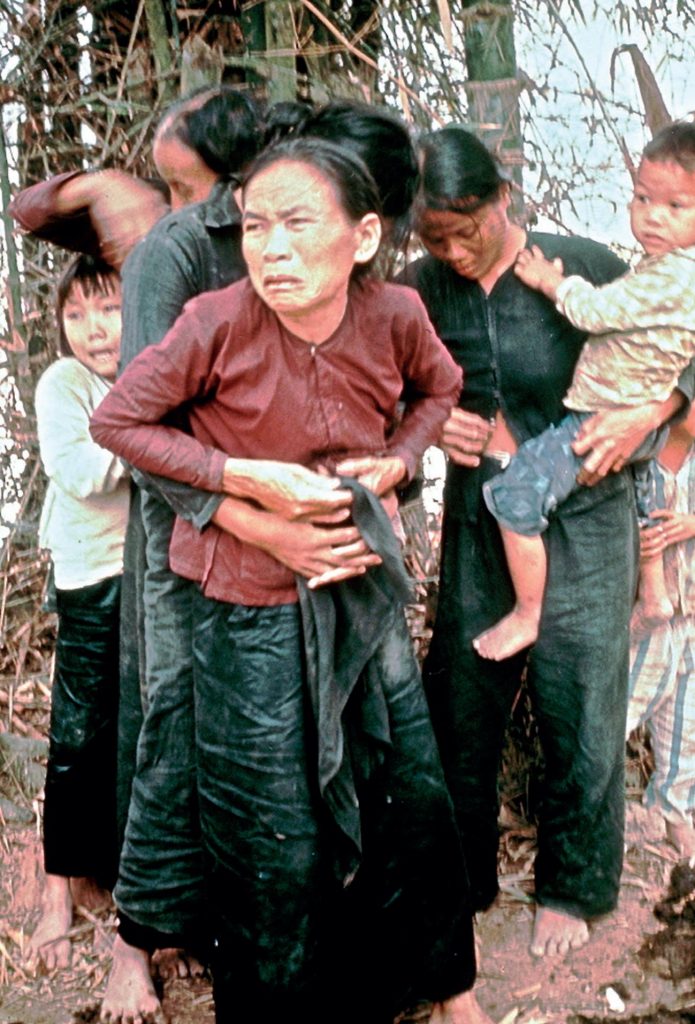
An incredible book has just been published on the Vietnam War – Shooting Vietnam: The War by Its Military Photographers, by Dan Brookes and Bob Hillerby. The book contains images taken by combat cameramen of the US Army and US Marines, rather than civilian photographers. As the book describes,‘[…] behind the scenes, and unheralded for their camera work, were hundreds of military photographers, just doing what was expected of them as part of their day-to-day job description. Unlike their famous civilian counterparts, many had to endure a year-long assignment that constantly placed them in harm’s way. Sometimes it meant dropping the camera and picking up an M-16 or grenade launcher, or manning an M-60 machine gun, or helping to carry the wounded to a medevac dust-off chopper.’
Perché abbonarsi
Questo giornale rimarrò libero e accessibile a tutti. Abbonandoti lo sostieni.