Skip to content
Guerra

Israele-Hezbollah, un fragile compromesso e l’ombra di Gantz su Netanyahu

Il governo di “falchi” di Benjamin Netanyahu pressato dal capo dell’opposizione, Benny Gantz, sul cessate il fuoco con Hezbollah? Mentre a Tel Aviv si parla del possibile accordo tra Israele e il gruppo paramilitare libanese, questo è quanto sembra emergere....

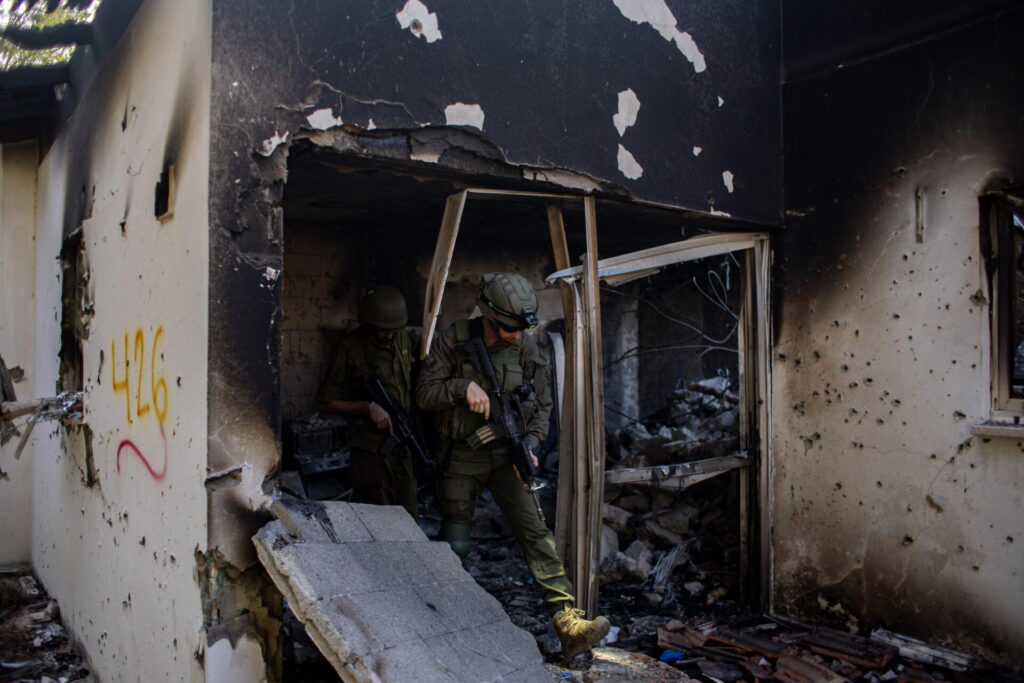
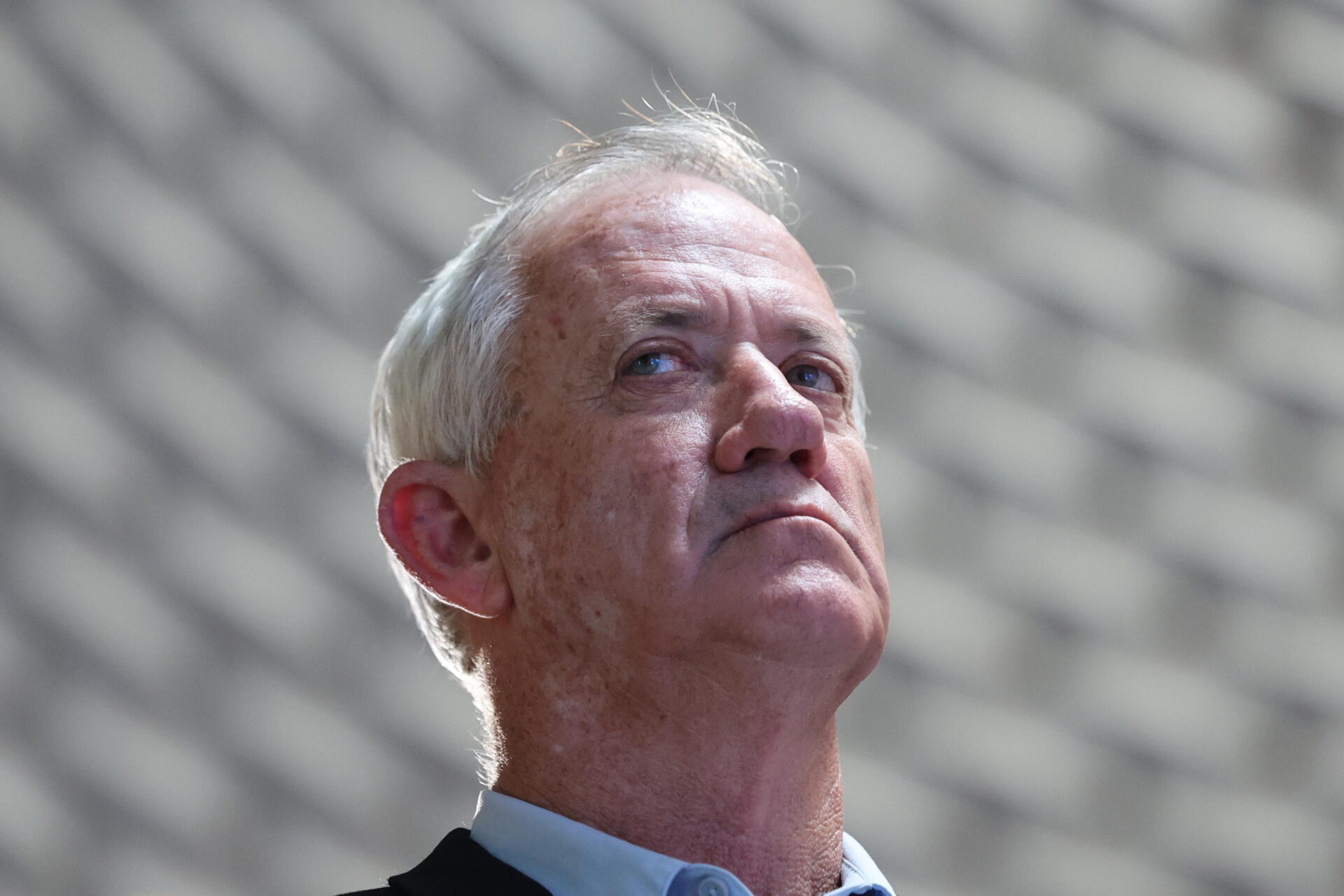
Il governo di “falchi” di Benjamin Netanyahu pressato dal capo dell’opposizione, Benny Gantz, sul cessate il fuoco con Hezbollah? Mentre a Tel Aviv si parla del possibile accordo tra Israele e il gruppo paramilitare libanese, questo è quanto sembra emergere. Il leader di Unità Nazionale, formazione centrista non priva di impianti del sionismo nazionalista, contesta il fatto che Bibi non sia pronto ad andare fino in fondo nel braccio di ferro con la milizia sciita. Dopo due mesi di bombardamenti, la decapitazione della leadership di Hezbollah e una dura campagna di terra, lo Stato Ebraico non è riuscito a smantellare l’organizzazione nemica come forza combattente. E visto il moltiplicarsi dei fronti di lotta, l’apertura di una fase d’incertezza sul futuro dei combattimenti e la necessità di concentrare le energie politiche, alla fine Netanyahu ha aperto all’accordo di cessate il fuoco.

Netanyahu sarebbe pronto a una tregua di 60 giorni nei combattimenti in cambio del ritiro di Hezbollah dal Sud del Libano, ma l’escalation degli scontri degli ultimi giorni in cui la trattativa mediata dagli Usa si intensificava lascia presagire che una futura resa dei conti sia solo rinviata. “Sabato, un attacco israeliano a Beirut ha ucciso più di 29 persone e ne ha ferite più di 65”, ha scritto Foreign Policy, aggiungendo che “tre funzionari della difesa israeliana hanno dichiarato al New York Times che l’attacco mirava ad assassinare un alto comandante militare di Hezbollah, Mohammad Haidar, che non è stato ucciso”. In risposta, quasi 300 razzi sono stati lanciati da Hezbollah verso Israele tra domenica e lunedì, a testimonianza che la guerra per Tel Aviv è tutto fuorché vinta.


Le perdite crescenti, le tensioni sorte dagli attacchi che hanno interessato la missione Unifil e l’assenza di una ratio strategica nella guerra hanno spinto Netanyahu, per tatticismo, a più miti consigli nel breve periodo. Ma è guardando al domani che Gantz, per alcuni mesi alleato del primo ministro nel gabinetto di guerra costituito dopo gli attacchi di Hamas del 7 ottobre 2023, si muove. “Il ritiro delle forze e le dinamiche che si creeranno renderanno le cose per noi più difficili e sarà più facile per Hezbollah riorganizzarsi”, ha scritto Gantz su X criticando la possibilità di accordo, aggiungendo che a suo avviso “non dobbiamo fare le cose a metà, non dobbiamo perdere l’opportunità di un accordo forte che cambierà radicalmente la situazione nel Nord”. Gantz ragiona da ex capo di Stato Maggiore e sa che Hezbollah, ben più di Hamas, è una minaccia securitaria primaria per Israele.

Già a fine 2023 pronosticava un’offensiva contro gli sciiti libanesi e ora, nei due mesi di tregua, potrebbe avere il proprio spazio politico per insidiare Netanyahu sul tema su cui il capo del Governo si è sempre speso, ovvero la sicurezza degli israeliani. Fronte a cui il 7 ottobre è stato accusato di venire meno e che ora vuole rilanciare come suo portando a suo vantaggio l’eliminazione dei capi nemici: oltre al segretario generale Hassan Nasrallah, il suo successore designato Hashem Safieddine, i capi militari Ali Karaki, Ibrahim Aqil e Fuad Shukr sul fronte di Hezbollah, Ismail Haniyeh e Yahya Sinwar su quello di Hamas, a cui si aggiunge l’alto dirigente del Fronte Popolare per la Liberazione della Palestina Muhammad Abdel Aal, ucciso a Beirut il 30 settembre scorso.

Ebbene, per Gantz finire il lavoro è necessario. E Netanyahu, accusato all’estero di essere eccessivamente brutale con la sua leadership bellica, finisce accusato da una figura “moderata” di eccessivo riguardo verso i nemici di Israele. Un cortocircuito solo apparente, che mostra un dato di fatto: è la guerra la ragion d’essere del sesto esecutivo del leader del Likud. Senza, si riapre la contesa. Con molti alti esponenti della politica di Israele pronti a fare le scarpe a “Mister Sicurezza”. Un dato politico che di per sé fa ben poco promettere per una tenuta stabile della tregua.

Abbonati e diventa uno di noi

Se l'articolo che hai appena letto ti è piaciuto, domandati: se non l'avessi letto qui, avrei potuto leggerlo altrove? Se pensi che valga la pena di incoraggiarci e sostenerci, fallo ora.
Lascia un commento

Non sei abbonato o il tuo abbonamento non permette di utilizzare i commenti. Vai alla pagina degli abbonamenti per scegliere quello più adatto

Guerra

Israele-Hezbollah, un fragile compromesso e l’ombra di Gantz su Netanyahu

Il governo di “falchi” di Benjamin Netanyahu pressato dal capo dell’opposizione, Benny Gantz, sul cessate il fuoco con Hezbollah? Mentre a Tel Aviv si parla del possibile accordo tra Israele e il gruppo paramilitare libanese, questo è quanto sembra emergere....

Palestinians had seen it coming for years. The deal which the United Arab Emirates recently signed with Israel not only renders Palestinians hopeless but also makes them even more unaware of what the future might hold for them. But that is just one side of the story.

The “stab in the back” which Palestinians say has crushed their hopes of getting a fair response from the Arab world has many facets. Both regional powerhouses penned an agreement on August 13, paving the way for the normalization of diplomatic ties. After Egypt’s 1979 Peace Treaty and Jordan’s 1994 Agreement, the UAE has become only the 3rd Arab state to normalize ties with Israel.

How Was the Deal Made?

The deal was in the workings for years. Officials involved in the formulation of the agreement known as the Abraham Accord, say cohesion between both sides started picking up pace in February last year during the Mideast Conference in Poland. The main idea behind this deal in the long-run is to strengthen the UAE in terms of security to fight the battle along with ally Saudi Arabia against Iran’s regional influence.

The immediate propositions of this pact will see bilateral direct flights, scientific cooperation, and the establishment of concrete business ties. According to the UAE government, the deal will halt Israel’s annexation plans for parts of the West Bank and will give both sides a chance to negotiate a renewed peace plan.

But one might wonder how efficient these plans actually are?

Israel has shown little to no interest in harmonizing relations. Attacks are still being conducted on a daily basis, the United States embassy was also moved to Jerusalem last year and the Peace Plan was rejected by Palestinians as being “one-sided.” This time around, even the Muslim world remains divided over the stance taken by the UAE.

On one side are countries like Jordan and Egypt which have hailed the deal as a stepping stone to bring peace for the Palestinian cause. On the other, are allies Turkey and Iran which have strongly rejected the deal, saying the UAE has betrayed the Palestinian cause by siding with the Israelis.

International Response to the Abraham Accord

Let’s take a look at how exactly the Muslim world has responded to this political change. To get a better picture let’s divide them into two groups; Pro-deal and Anti-deal groups. Jordan, Egypt, Bahrain, Oman along with some European countries are the ones who have applauded the deal. Turkey, Iran, Qatar, Pakistan, Malaysia and Kuwait are the ones which have strongly criticized the deal.

Jordan and Egypt released a statement following the confirmation of the normalization of ties. Egyptian President Sisi welcomed the deal, saying it would help bring peace to the Middle East. Jordan’s Foreign Minister Safadi also lauded the agreement saying the deal was an incentive to end occupation once and for all.

Spain, Germany, France and the United Kingdom have also appreciated the effort made by both sides with all agreeing that if the deal is put through, there could be a much more peaceful Middle East which in turn will enable peace between Israel and Palestine once and for all.

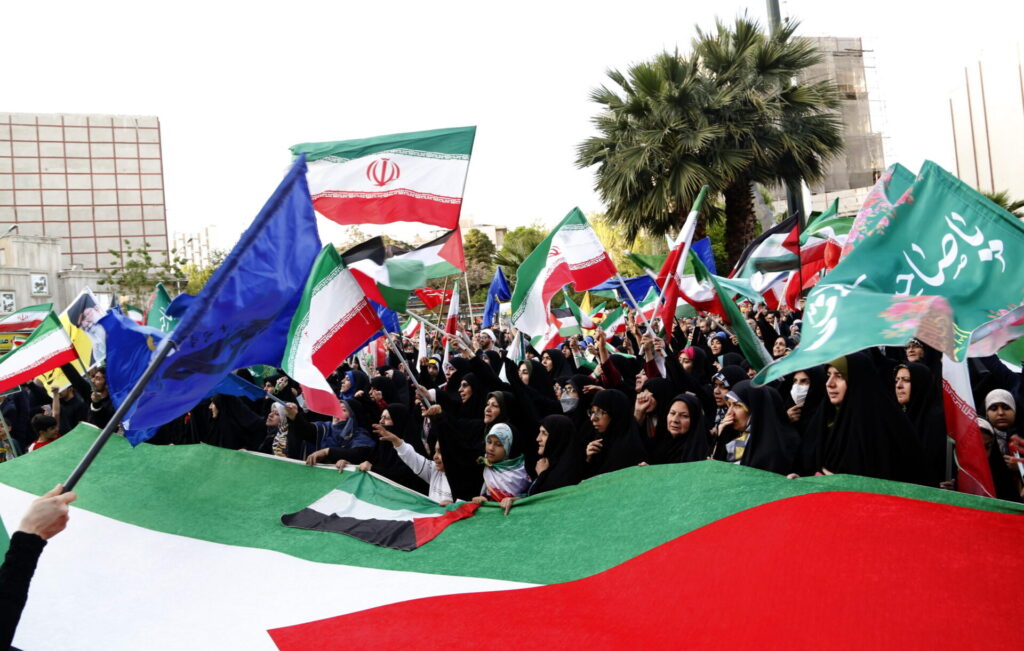
Turkey on the other hand said the UAE was playing a dangerous role and President Recep Erdoğan even threatened to call his ambassador back to Ankara from Abu Dhabi. It added that the UAE must remain committed to the 2002 Arab Peace Plan developed by the Arab league. Iran, which is also considered to be a pivotal actor in the deal, termed the move “strategic stupidity.” While Oman backed the normalization of ties between both sides, Morocco released a statement with Prime Minister El Othmani saying that the rights of the Palestinians are a “red line” for his government.

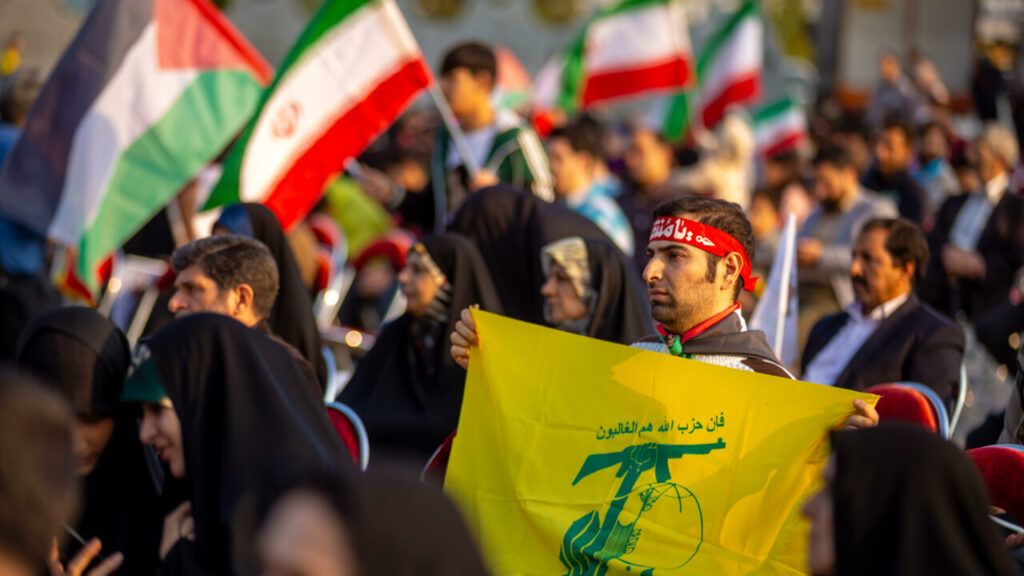
Non-state actors such as Hamas and Hezbollah have also denounced the deal saying it will further increase tensions and bloodshed in Palestine. Pakistan and Qatar have also strongly rejected the deal with the Pakistani government saying it will respond according to the conditions of the Palestinians and how well they are treated by the accord. Pakistan’s Foreign Ministry also added that Palestinians must be given their full legitimate rights and the right to self-determination.

What Does the Future Hold for the Volatile Region?

While it’s apparent that the West has welcomed this deal between Abu Dhabi and Tel Aviv, they might have, in one way or the other, overlooked the real components of this deal. I believe that if the deal is actually to improve the living conditions of Palestinians, to stop annexation and to bring peace and stability in the region, both sides must work hard to achieve that. If the UAE is gaining better diplomatic relations and transfer of resources, then it should also comply with the peace plan and make sure to secure rights of Palestinians in order to legitimize Palestinians and secure a better future for them.


Abbonati e diventa uno di noi

Se l'articolo che hai appena letto ti è piaciuto, domandati: se non l'avessi letto qui, avrei potuto leggerlo altrove? Se pensi che valga la pena di incoraggiarci e sostenerci, fallo ora.
Lascia un commento

Non sei abbonato o il tuo abbonamento non permette di utilizzare i commenti. Vai alla pagina degli abbonamenti per scegliere quello più adatto

Perché abbonarsi

Sostieni il giornalismo indipendente

Questo giornale rimarrò libero e accessibile a tutti. Abbonandoti lo sostieni.